

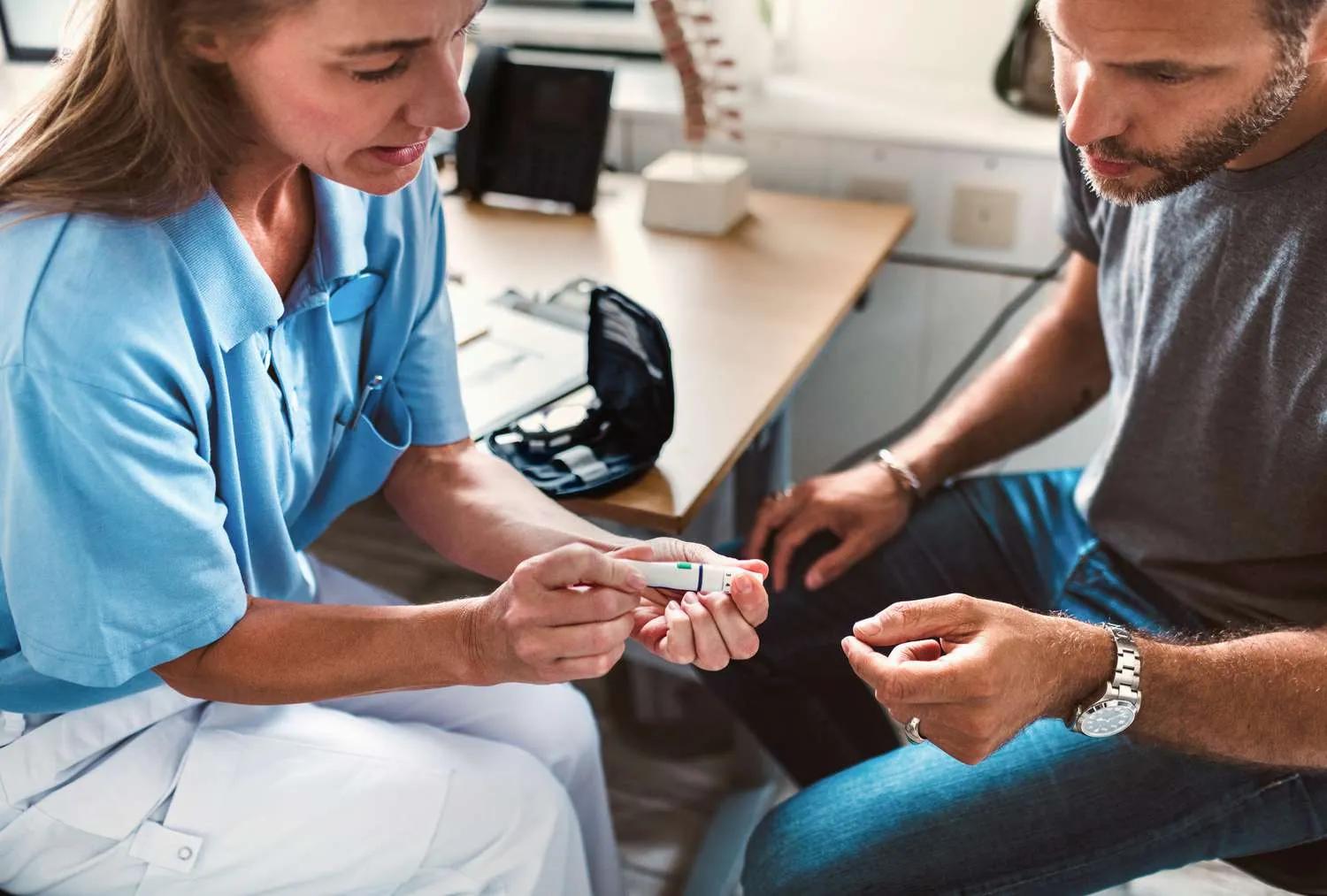
Diabetes is one of the most common chronic diseases worldwide, affecting millions of adults. It is a metabolic disorder characterized by high blood sugar levels due to either insufficient insulin production or the body’s inability to use insulin effectively. The most common type in adults is Type 2 diabetes, which often develops gradually and may remain undiagnosed for years. This is why screening for diabetes in adults is extremely important. Early detection allows timely intervention, prevents complications, and improves long-term health outcomes.
Why Diabetes Screening Is Important
Diabetes is often called a “silent disease” because many people experience mild or no symptoms in the early stages. However, even without noticeable symptoms, high blood sugar can damage blood vessels and organs over time. Untreated diabetes increases the risk of serious complications such as heart disease, kidney failure, nerve damage, stroke, and vision loss.
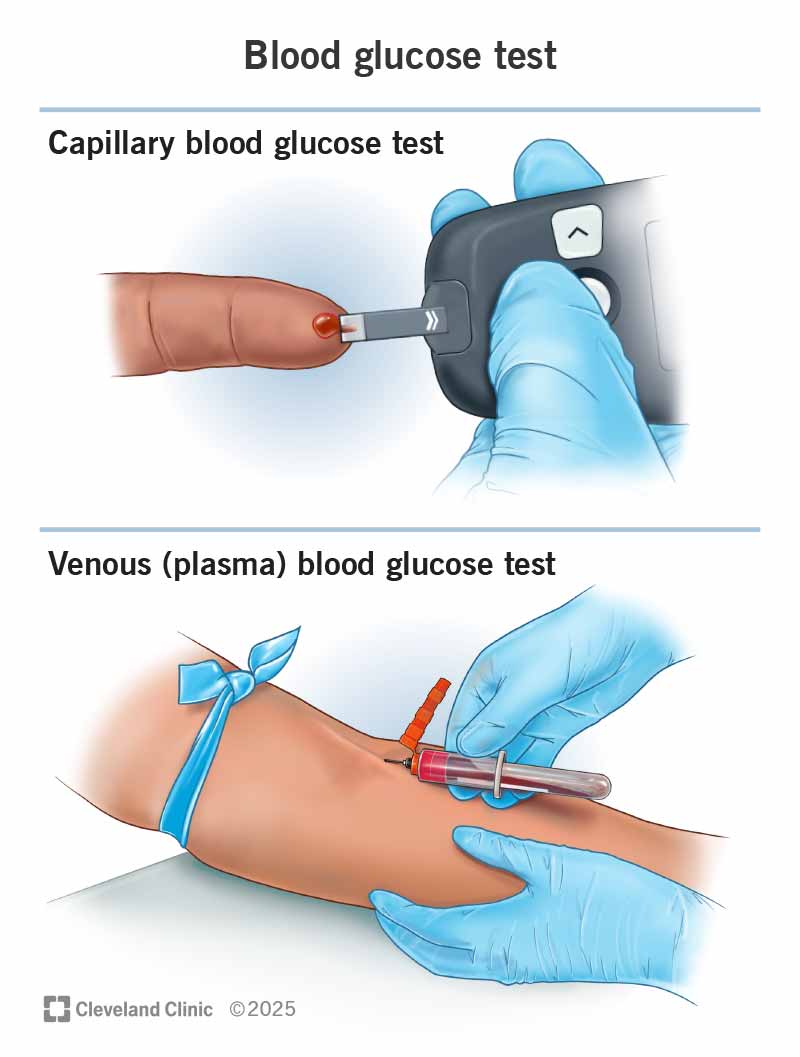
Screening helps identify individuals with prediabetes or early-stage diabetes before complications develop. With early diagnosis, lifestyle changes and appropriate treatment can effectively control blood sugar levels and prevent disease progression.
Who Should Be Screened?
Diabetes screening is recommended for adults who have certain risk factors. According to health guidelines, adults aged 35 years and older should undergo routine screening, even if they have no symptoms. However, younger adults should also be screened if they have risk factors such as:
Overweight or obesity
Family history of diabetes
High blood pressure
High cholesterol levels
Sedentary lifestyle
History of gestational diabetes
Polycystic ovary syndrome (PCOS)
Cardiovascular disease
People from certain ethnic backgrounds with higher diabetes risk may also require earlier screening.
Common Tests for Diabetes Screening
Several simple and reliable tests are used to screen for diabetes:
1. Fasting Blood Glucose (FBG) Test: This test measures blood sugar levels after fasting for at least 8 hours. It is one of the most common screening methods.
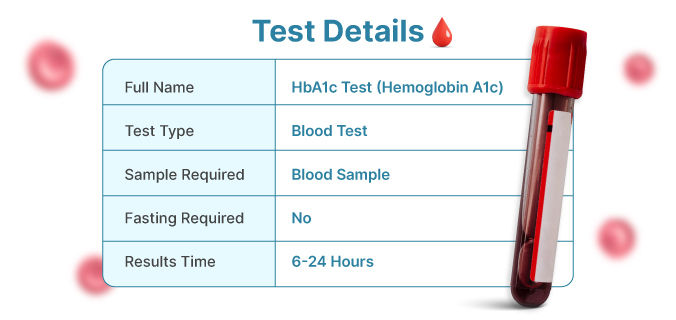
2. HbA1c Test (Glycated Hemoglobin): This test reflects average blood sugar levels over the past 2–3 months. It does not require fasting and is widely used for both screening and monitoring diabetes.
3. Oral Glucose Tolerance Test (OGTT): This test measures blood sugar levels before and after drinking a glucose solution. It is particularly useful for diagnosing gestational diabetes and borderline cases.
4. Random Blood Sugar Test: This test checks blood sugar at any time of the day, regardless of meals. It is often used when symptoms are present.
Each of these tests helps doctors determine whether a person has normal blood sugar, prediabetes, or diabetes.
Early Detection of Prediabetes
Screening does not only detect diabetes; it also identifies prediabetes. Prediabetes is a condition where blood sugar levels are higher than normal but not high enough to be classified as diabetes. Many adults with prediabetes are unaware of their condition.
The good news is that prediabetes can often be reversed with lifestyle modifications such as weight management, regular exercise, and a balanced diet. Early screening gives individuals the opportunity to prevent the development of full-blown diabetes.
Benefits of Regular Screening
Regular diabetes screening offers several benefits:
Prevention of complications: Early treatment reduces the risk of heart disease, kidney damage, and nerve problems.
Better treatment outcomes: Managing blood sugar early leads to improved long-term control.
Improved quality of life: Patients can maintain normal daily activities with proper care.
Cost savings: Preventing complications reduces expensive hospitalizations and treatments.
Routine checkups also allow healthcare providers to assess related risk factors such as cholesterol levels and blood pressure, ensuring comprehensive care.
Lifestyle and Prevention
Screening is only one part of diabetes prevention. Adults should adopt healthy lifestyle habits to reduce risk, including:
Eating a balanced diet rich in vegetables, fruits, whole grains, and lean protein
Limiting sugary and processed foods
Engaging in at least 30 minutes of moderate physical activity most days
Maintaining a healthy body weight
Avoiding smoking and excessive alcohol consumption
Even individuals with normal screening results should continue healthy habits and repeat testing as recommended by their healthcare provider.
Conclusion
Screening for diabetes in adults is a vital step in maintaining overall health and preventing serious complications. Since diabetes can develop silently, regular blood sugar testing ensures early detection and timely intervention. Adults aged 35 and above, as well as those with risk factors, should prioritize routine screening.
By combining regular testing with healthy lifestyle choices, individuals can significantly reduce their risk of developing diabetes and lead healthier, longer lives. Taking action today through proper screening can prevent major health problems in the future.