

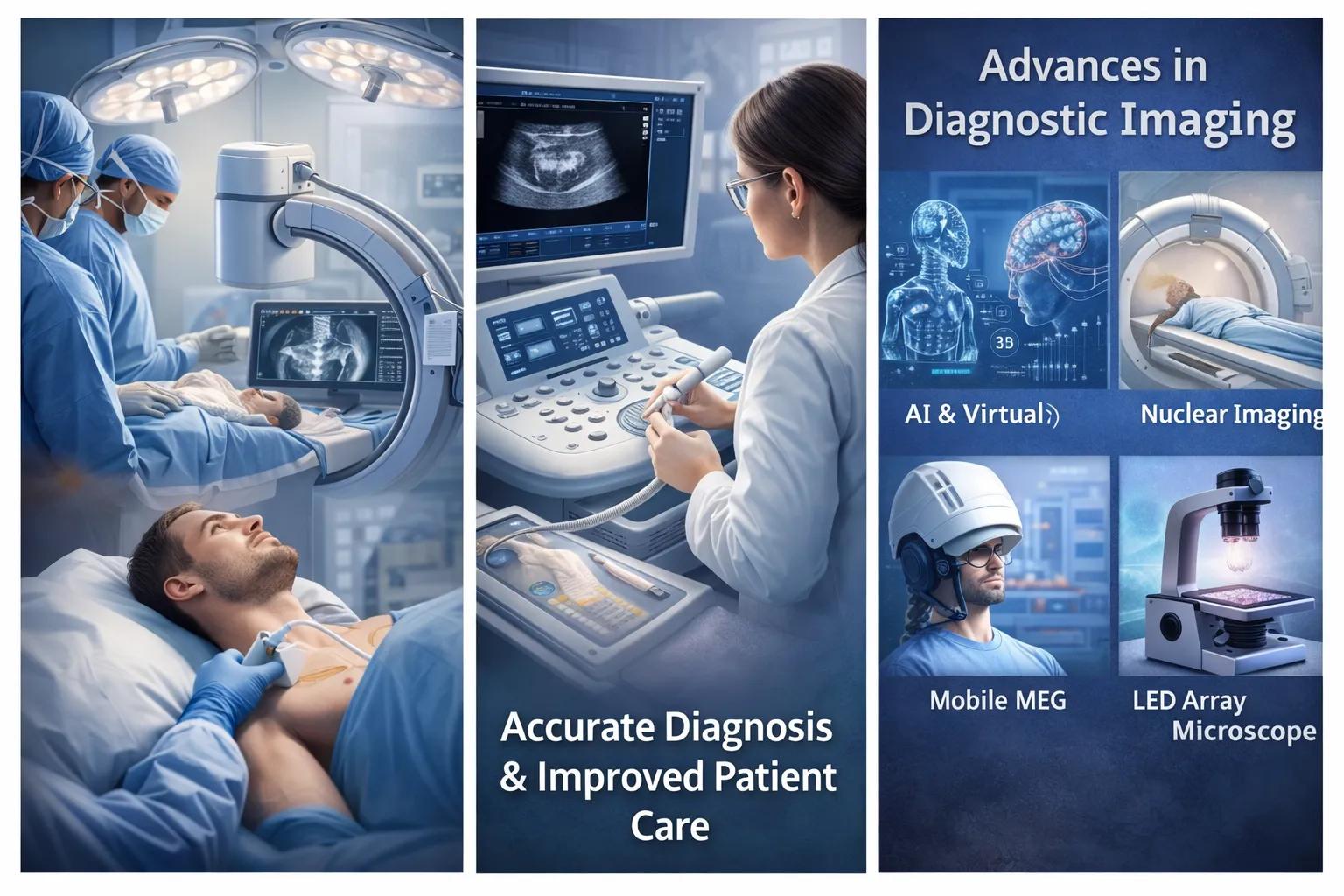
Diagnostic imaging is one of the most critical pillars of the medical industry. According to medical records, nearly 70% of clinical decisions in India are influenced by diagnostic test results. Despite this, many people struggle to choose the right diagnostic centre, which often leads to inaccurate diagnoses, false reports, delayed treatment, and unnecessary complications.
One of the most important aspects to consider while selecting a diagnostic lab is the level of technology it uses. In today’s era of rapid medical advancements, diagnostic centres must adopt modern imaging systems to ensure precise evaluation and reliable results for patients.
Why Advanced Imaging Matters in a Diagnostic Lab
Helps in Complex Surgical Procedures
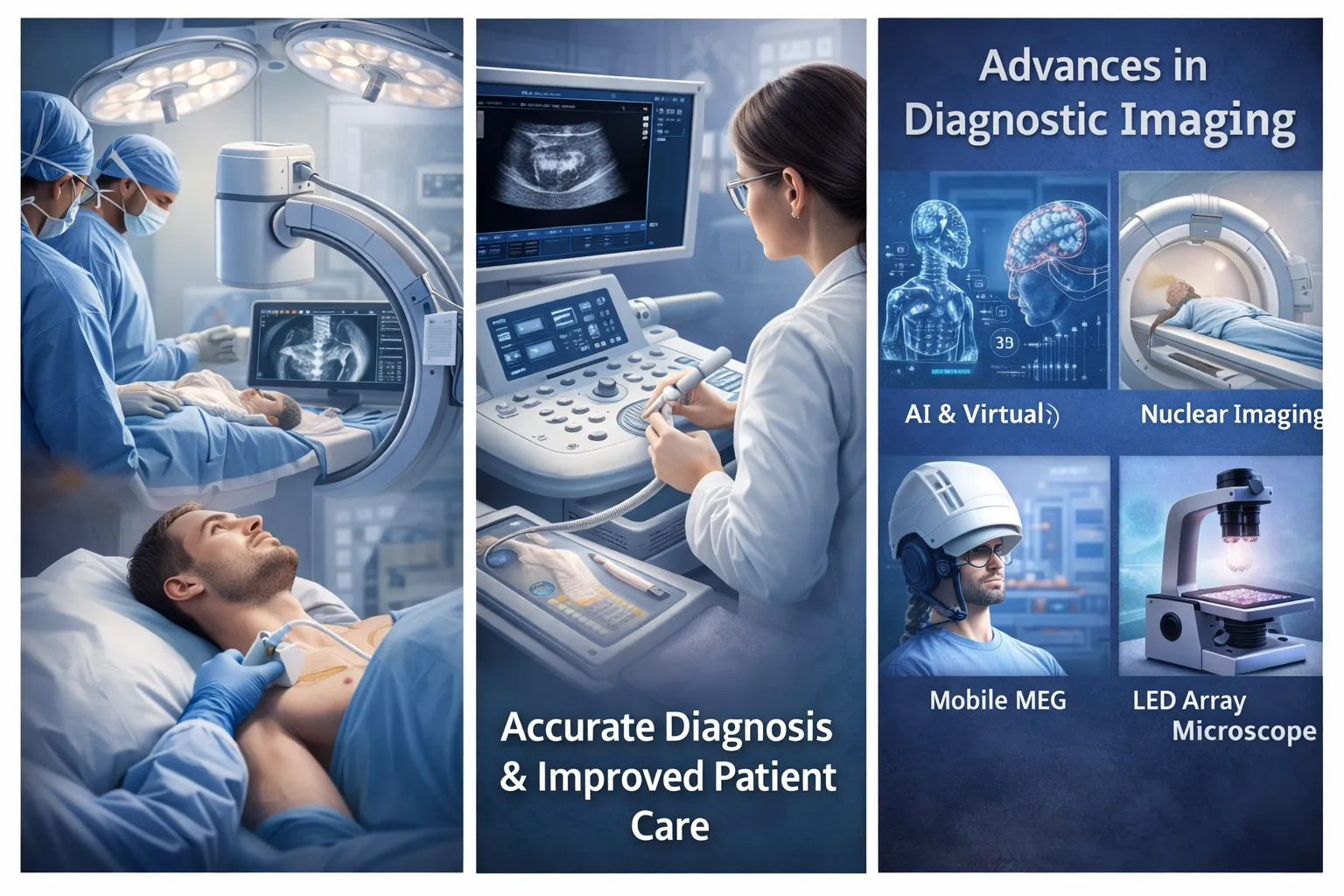
Advanced imaging plays a vital role in complicated surgical procedures. Technologies like surgical C-arm imaging systems are widely used during operations to provide real-time visualization of internal anatomy. Specialists in cardiology, orthopaedics, vascular surgery, neurology, and general surgery benefit greatly from these systems.
Unlike conventional imaging, advanced X-ray and fluoroscopy systems deliver high-resolution images in real time, allowing surgeons to monitor procedures closely and make informed decisions during surgery.
Ensures Accurate Diagnosis
One of the biggest advantages of advanced imaging systems is their ability to provide high diagnostic accuracy. These technologies help doctors precisely locate abnormalities, enabling faster and more effective treatment planning.
For example, diagnostic radiology plays a crucial role in identifying serious conditions such as tumors, fractures, internal bleeding, and cancers at an early stage. Similarly, modern ultrasound technology allows healthcare professionals to examine internal organs, muscles, joints, blood vessels, and soft tissues in great detail.
Choosing a trusted diagnostic centre with a modern ultrasound lab ensures clear imaging, accurate interpretation, and dependable reports that support better clinical decisions.
Safe and Patient-Friendly Imaging Methods
Radiation exposure is often a concern among patients undergoing imaging tests. However, continuous technological advancements have significantly reduced radiation levels in modern imaging equipment, making them safer than ever.
Diagnostic labs follow strict safety protocols, including the use of protective gear and optimized exposure settings, to minimize risk. In many cases, the radiation exposure from imaging tests is far lower than everyday environmental exposure.
Enhanced Data Privacy and Seamless File Sharing
In the past, diagnostic data sharing was limited and inefficient. Today, advanced digital imaging systems allow reports and scans to be stored securely on cloud-based platforms. Doctors can easily access and share imaging data without repeating tests, improving patient convenience and reducing unnecessary exposure.
These secure systems also ensure data privacy and controlled access, making healthcare collaboration smoother and safer.
Reduced Healthcare Costs and Faster Recovery
Advanced imaging helps doctors reach accurate conclusions quickly, often eliminating the need for invasive diagnostic procedures such as exploratory surgery or unnecessary biopsies. Early and precise diagnosis leads to targeted treatment, reduced hospital stays, and faster patient recovery.
By identifying the exact cause of a medical issue, advanced diagnostic tools help lower overall treatment costs and improve outcomes.
Recent Advancements in Diagnostic Imaging
AI and Virtual Reality Integration
Artificial Intelligence (AI) has transformed medical imaging by assisting radiologists in detecting abnormalities with greater accuracy. AI-powered tools enhance human expertise rather than replacing it. Virtual Reality (VR) and Augmented Reality (AR) are also being introduced for radiology training, allowing professionals to better visualize complex anatomical structures.
Advances in Nuclear Imaging
Nuclear imaging involves the use of small amounts of radioactive material to evaluate organ function. These scans help detect conditions related to the thyroid, gallbladder, bones, and heart, often before symptoms become severe.
Mobile Magnetoencephalography (MEG)
Mobile MEG technology measures brain activity while patients move naturally. It improves the accuracy of diagnosing neurological conditions such as epilepsy by pinpointing seizure origins within the brain.
LED Array Microscopy
An emerging innovation, LED array microscopes use advanced illumination techniques to produce high-quality brightfield, darkfield, phase contrast, and 3D images. This development may significantly enhance laboratory diagnostics in the future.
Takeaway
Fast and accurate diagnosis is essential for preventing and managing serious health conditions. With continuous innovation, medical imaging has become a cornerstone of modern healthcare. Diagnostic labs equipped with advanced imaging technology play a crucial role in improving patient safety, treatment accuracy, and overall health outcomes.